
All News
All News

Hopes of finding survivors dim a week after catastrophic Nepal flood
NEPAL-FLOODS:Hopes of finding survivors dim a week after catastrophic Nepal flood





More All News

EU antitrust regulators quiz publishers on Google's AI search opt-out
EU-ALPHABET:EU antitrust regulators quiz publishers on Google's AI search opt-out...

Kremlin says Putin, Xi and Trump may hold a trilateral meeting
USA-RUSSIA-CHINA:Kremlin says Putin, Xi and Trump may hold a trilateral meeting...
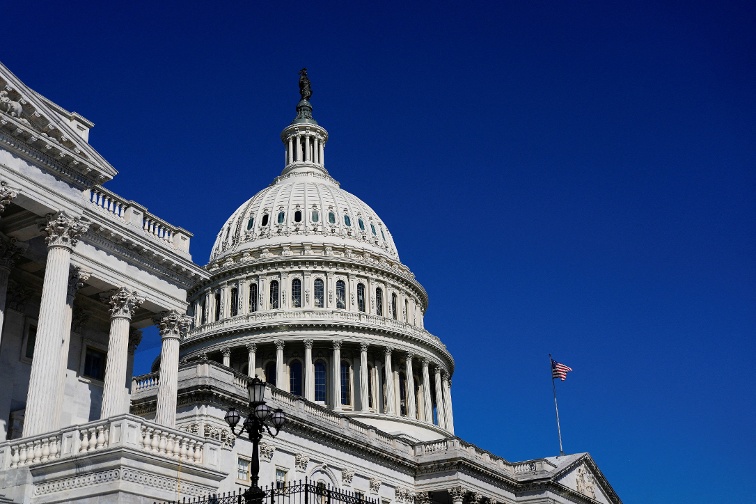
US House passes funding bill to avert government shutdown before midterm elections
USA-CONGRESS-SHUTDOWN:US House passes funding bill to avert government shutdown before midterm elections...

US pushes G20 to cut trade imbalances, focus on China
G20-FINANCE:US pushes G20 to cut trade imbalances, focus on China...

Bessent says U.S. likely to announce Iran bank sanctions this week
IRAN-CRISIS-USA-BESSENT:Bessent says U.S. likely to announce Iran bank sanctions this week...

Nine more pharmaceutical manufacturers join Trump's most-favored-nation initiative
(The Center Square) – Nine more companies have joined President Donald Trump’s most-favored-nation drug pricing agreement, one of the president’s most highly publicized affordability initiatives to bring down the cost...
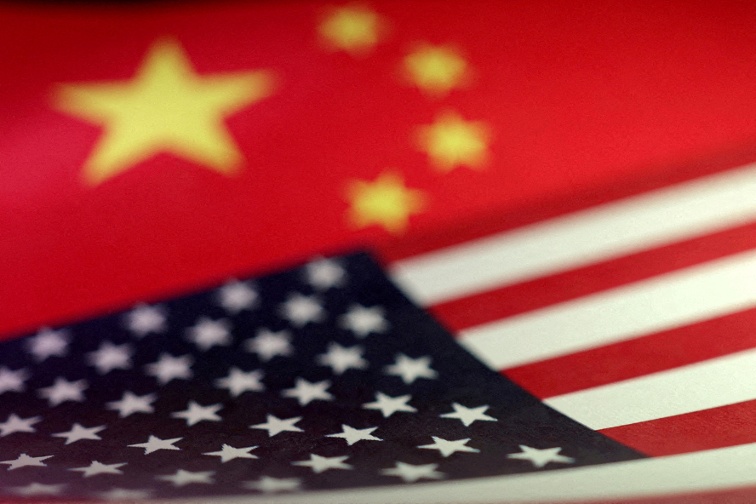
Chinese shipper COSCO collects intel for Beijing with concealed equipment, US officials say
USA-CHINA-COSCO-SPYING:Exclusive-Chinese shipper COSCO collects intel for Beijing with concealed equipment, US officials say...

Crossing the Border Reveals a Stark Contrast in Reporting by Xinhua News Agency
On August 26, a sudden and massive mudslide struck the Jilong port in northern Nepal and Tibet, China. Although it was the same disaster occurring at the same time, the media coverage from both sides of the China-Nepal border presented a strikingly different narrative: Nepalese media focused on the human stories of the disaster, while the Chinese Communist Party's official media concentrated on 'how official agencies operate.'...
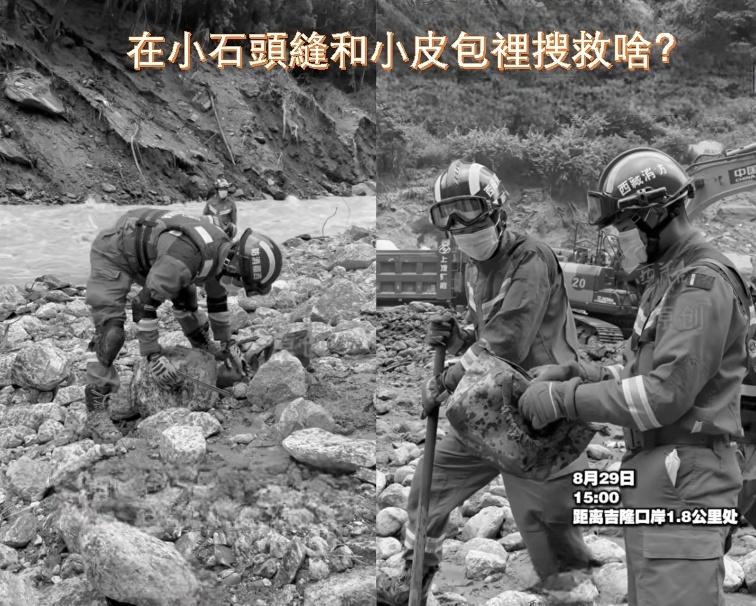
Casualty Figures in Jilong Town Are Now Set, While the CCP Continues to Play Its Old Games
A catastrophic flood occurred on August 26 at the border between China and Nepal, resulting in the near-total destruction of buildings in the affected area and significant casualties....

Jilong Town Becomes a No-Go Zone: Nepalese Rescue Team Challenges the CCP!
On the morning of August 26, a sudden ice collapse and mudslide struck the China-Nepal border from the Nepalese side....

Li Qiang's Unusual Emphasis on Food Security During His Research in Heilongjiang and Jilin
From August 24 to 26, Premier Li Qiang of the Communist Party of China conducted research in Heilongjiang and Jilin....
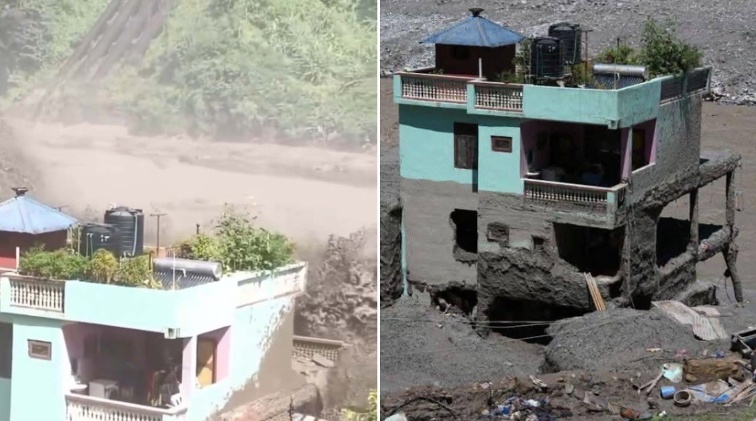
Landslide Sweeps Away Everything, Yet the Blue House in Nepal Remains Standing and Becomes an Internet Sensation
During massive natural disasters such as earthquakes, tsunamis, landslides, or floods, people often observe a striking phenomenon: amidst the widespread destruction, certain temples, churches, statues, or homes remain standing....

AI-driven cyber risk is top concern for global financial stability, watchdog says
GLOBAL-REGULATION-AI:AI-driven cyber risk is top concern for global financial stability, watchdog says...

France targets Shein and Temu with fast fashion fines
FRANCE-FAST-FASHION:France targets Shein and Temu with fast fashion fines...

China warns of 'consequences' over Taiwan presence at Pacific leaders meeting
PACIFIC-FORUM:China warns of 'consequences' over Taiwan presence at Pacific leaders meeting...

New Zealand, US to fund Cook Islands port upgrade
COOKISLANDS-NEWZEALAND-USA:New Zealand, US to fund Cook Islands port upgrade...

US oil firm to take over some Venezuelan oilfields previously run by Chinese, Russian companies, officials say
USA-VENEZUELA-CHINA-RUSSIA:Exclusive-US oil firm to take over some Venezuelan oilfields previously run by Chinese, Russian companies, officials say...

Firms including Chevron, ONGC, GE Vernova on track to sign final pacts in Venezuela, sources say
VENEZUELA-OIL-CONTRACTS:Firms including Chevron, ONGC, GE Vernova on track to sign final pacts in Venezuela, sources say...

US Army Secretary Driscoll tenders resignation, source says
USA-ARMY-DRISCOLL:US Army Secretary Driscoll tenders resignation, source says...

New York cannot enforce $75 billion climate 'superfund' law, US judge rules
NEW-YORK-CLIMATE-CHANGE-LAWSUIT:New York cannot enforce $75 billion climate 'superfund' law, US judge rules...

Feds in San Diego seize domains to block China from hacking
(The Center Square) – Federal law enforcement has seized core infrastructure reportedly used by a Chinese state-sponsored cyber platform to target high-profile U.S. government entities and critical infrastructure in a...

Supreme Court lets Trump's White House ballroom construction continue for now
USA-COURT-TRUMP-BALLROOM:Supreme Court lets Trump's White House ballroom construction continue for now...

Two dead in Grand Canyon after flash flood, park service says
USA-FLOODS-GRAND-CANYON:Two dead in Grand Canyon after flash flood, park service says...

Trump administration to announce drug pricing deals
USA-TRUMP-DRUG-PRICING:Trump administration to announce drug pricing deals...

Trump was sending message to Iran with Kharg Island post, says Vance
IRAN-CRISIS-USA-KHARG:Trump was sending message to Iran with Kharg Island post, says Vance...

US farm agency moves to support beef industry
USA-FARM-BEEF:US farm agency moves to support beef industry ...

Nvidia to invest $3.5 billion in chipmaker MediaTek, expand partnership
NVIDIA-MEDIATEK:Nvidia to invest $3.5 billion in chipmaker MediaTek, expand partnership...

"Formaldehyde Cabbage" Returns After 14 Years: Why Does Food Safety Still Depend on Exposure?
Recently, it was reported that a cabbage buyer in Kangbao County, Hebei Province, used a formaldehyde solution to treat cabbage before loading it onto trucks, raising serious concerns about food safety....

The disparity in disaster relief efforts between China and Nepal is striking, revealing significant issues within the Chinese Communist Party's military.
On August 26, a severe landslide struck the Jilong Port on the China-Nepal border, completely engulfing the port building in an instant. By August 29, CCP media reported that 554 individuals were still unaccounted for. On the Nepalese side, there were also numerous disaster victims, and the limited helicopters available to the Nepalese army were nearly all deployed to rescue people to the best of their ability....

The 1.2 trillion yuan Yarlung Tsangpo River hydropower project: could it become the next Jilong Port?
On the ancient and mysterious Qinghai-Tibet Plateau, nature's retribution often goes unnoticed, yet it can swiftly obliterate human arrogance....

Scholars Analyze 'China Shock 3.0': The CCP Brings Multiple Harms
'China Shock 3.0' is emerging as a new concept for the international community to reassess China's economic and strategic expansion. Unlike 'China Shock 1.0 and 2.0', scholars argue that this new wave of 'China Shock' has expanded into areas such as law, artificial intelligence, national defense security, and global industrial chains, exerting a more profound impact on the United States and the global industrial landscape, while urging the international community to coordinate timely responses....