

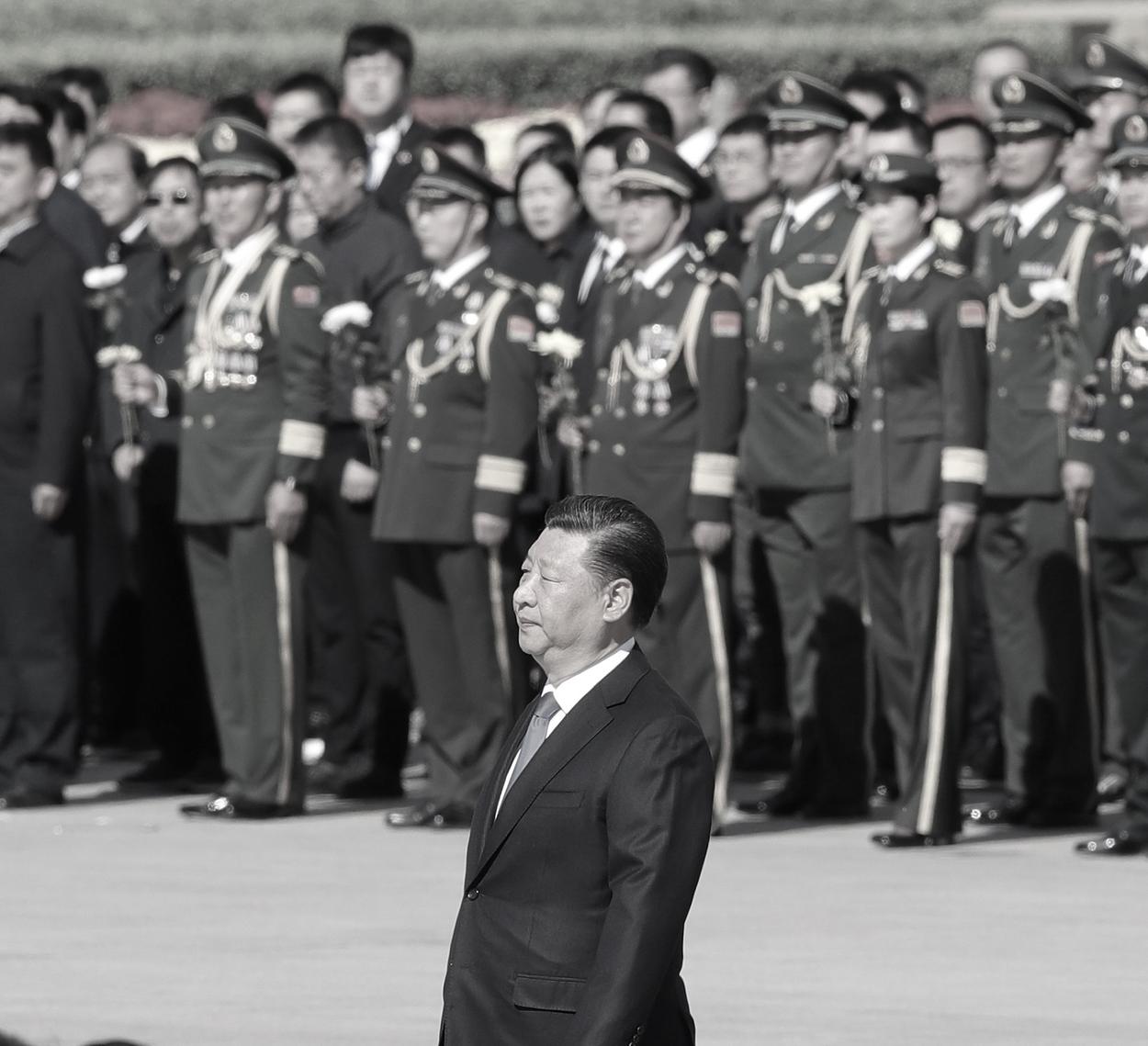
Recently, CCP leader Xi Jinping's crackdown on the military has garnered significant attention from the international community. The accompanying image shows Xi Jinping (centre) attending a ceremony at Tiananmen Square in Beijing on September 30, 2018. (Lintao Zhang/Getty Images)
[People News] Each year, the Two Sessions serve as a platform for the CCP to showcase its achievements, while also providing an opportunity for outsiders to expose the party's scandals.
At the start of this year's Two Sessions, official data indicated that the purges within the CCP have become increasingly severe, with corruption being addressed more rigorously, highlighting the inextricable link between corruption and the CCP.
On March 9, Zhao Leji, Chairman of the Standing Committee of the National People's Congress (NPC), reported that over the past year, 7 representatives were elected through by-elections, while the qualifications of 58 representatives were terminated, including 55 dismissals and 3 resignations. Following the by-elections, there are now 2,878 representatives in this session of the NPC.
However, the report for the Two Sessions in March 2024 revealed that in 2023, 24 individuals had their representative qualifications terminated, with 3 representatives elected through by-elections; the report for the Two Sessions in March 2025 disclosed that 30 individuals had their qualifications terminated, with 3 representatives elected through by-elections. This suggests that since March 2025, the number of representatives whose qualifications were terminated and those newly elected through by-elections has surpassed the total from the previous two years.
This year, a particularly concerning issue has emerged compared to previous years: the extensive purge within the military, which has led to a large number of military representatives being dismissed.
According to the official website of the National People's Congress of the Communist Party of China, the current list of representatives indicates that there are 243 military representatives in the National People's Congress. This includes Zhang Youxia, the Vice Chairman of the Central Military Commission, who has been officially dismissed and is absent from the two sessions, as well as Liu Zhenli, a member of the Military Commission. Additionally, 13 generals were absent from the establishment meeting of the military delegation on March 3.
As the military representatives entered, it was evident that the number of attendees from the military delegation had significantly decreased. Although the representatives wore brand new military uniforms, their expressions were stiff, and the overall atmosphere was sombre. They spoke cautiously and exhibited restrained behaviour. Notably, this year, for the first time, there was no deputy leader appointed; only a leader was designated, with Zhang Shengmin, a member of the Military Commission, assuming this role. Speculation suggests that all qualified generals may have been purged, leaving behind vacancies. Despite the embarrassment, there was no time to conceal the situation.
The significant reduction in military representatives can primarily be attributed to the extensive internal military purge initiated by Xi Jinping over the past two years, which has resulted in the dismissal of numerous high-ranking generals. A total of 36 military representatives have been removed, including 16 generals. According to statistics from the Centre for Strategic and International Studies (CSIS), over a hundred generals have been implicated in successive anti-corruption campaigns, representing 52% of the military command structure.
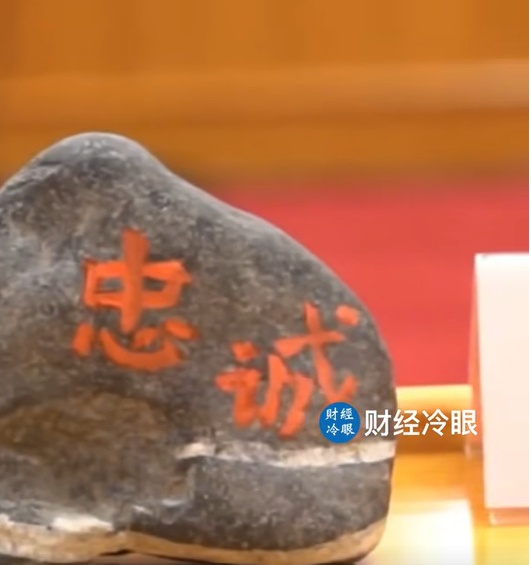
Despite this, Xi Jinping remains uneasy. On March 7, during the plenary meeting of the "People's Liberation Army and Armed Police Force Delegation" at the fourth session of the 14th National People's Congress, Xi Jinping issued a stern warning, asserting that there must be no individuals in the military with divided loyalties to the Party, and no safe haven for corrupt elements. The fight against corruption must be pursued resolutely. It appears that the crackdown will continue; otherwise, Xi Jinping's suspicions will be difficult to assuage.
In this context, Shen Youzhong, the deputy chairman of Taiwan's Mainland Affairs Council, remarked that the extensive purge reflects the leadership's profound anxiety regarding its control over the military. This indicates instability in the morale of the Chinese Communist Party's (CCP) military, and the unrest within the armed forces is expected to persist.
Mark, the host of the military channel 'Mark's Time and Space, noted that Xi Jinping's actions effectively position him in opposition to all CCP officials.
Indeed, numerous commentators with insider knowledge from Beijing, along with former high-ranking officials of the CCP military who have relocated abroad, have disclosed that the command structure within the People's Liberation Army (PLA) is as deeply corrupt as the governmental system. A significant amount of resources intended for military modernisation has been misappropriated, and officers at all levels are greedily accumulating wealth. In such an environment, it is likely that honest generals will struggle to survive.
Taiwanese military strategist Su Ziyun emphasised that the pervasive sense of insecurity within the CCP military naturally leads to a decline in its command and operational capabilities. Additionally, when promoting generals, Xi Jinping prioritises their political alignment over their professional skills, which further undermines the combat effectiveness of the CCP military.
According to a report from U.S. intelligence agencies, there is evidence suggesting that by 2024, Xi Jinping's family will still possess significant business interests and financial investments. The Xi family has also been revealed to control and have stakes in major enterprises across various industries, with core members of the Xi family army implicated in corruption scandals. However, Xi Jinping's anti-corruption efforts seem to target others while exempting himself, which is likely to incite dissatisfaction and resistance among military leaders and government officials.
(First published by People News) △




News magazine bootstrap themes!
I like this themes, fast loading and look profesional
Thank you Carlos!
You're welcome!
Please support me with give positive rating!
Yes Sure!