
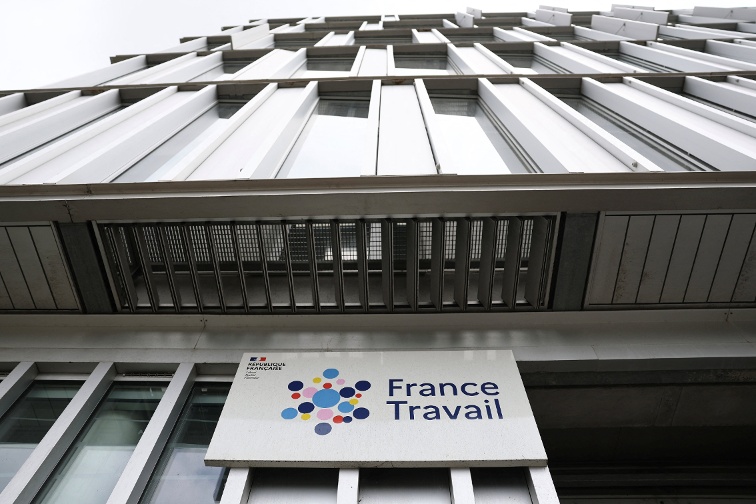
PARIS, May 13 (Reuters) - France's unemployment rate rose to 8.1% in the first quarter of 2026, its highest since 2021 during the COVID pandemic, threatening to tarnish President Emmanuel Macron's record of cutting chronic joblessness as his second term draws to a close.
Macron swept to power in 2017 pledging to bring down an unemployment rate that had remained stubbornly high for decades, rolling out tax cuts for businesses, loosening rigid labour rules that deterred hiring, and expanding apprenticeships.
Those reforms initially paid off, helping drive unemployment down to a 40-year low in early 2023. Macron, in his re-election campaign, had set a goal of reaching near full employment of about 5% by the end of his second term.
The rise reported by statistics agency INSEE on Wednesday risks dulling one of Macron's central economic achievements at a time when his broader record has been strained by high public debt and persistent budget deficits and as the country looks to the presidential election in 2027. Macron cannot stand again.
GROWTH HIT BY EXTERNAL SHOCKS
"We expected an increase in the unemployment rate given the difficult economic environment, notably the war in Iran," Labour Minister Jean-Pierre Farandou told Franceinfo radio.
Growth in France, like in much of Europe, has been hit by a series of external shocks over the past year, including a tariff dispute with the United States that has weighed on exports, while tensions in the Gulf have pushed up oil prices and dampened tourism.
Macron's failed gamble to call snap elections in mid-2024, which delivered a hung parliament and triggered a series of cabinet collapses, has also added to the uncertainty facing French companies, business leaders say.
"With zero growth in the first quarter, we shouldn't expect miracles on the employment front," said economist Sylvain Bersinger of Bersingeco.
EMPLOYMENT STILL NEAR RECORD HIGH, INSEE SAYS
Bank of France Governor Francois Villeroy de Galhau acknowledged the figures were disappointing but said the labour market was now more resilient than in past downturns, such as after the euro zone debt crisis.
"During the slowdown after 2012, the unemployment rate was above 10%. We shouldn't forget that — now we're around 8%," Villeroy said.
The rate is also still below a previous peak of 10.5% reached in 2015 under Socialist President Francois Hollande.
INSEE said nearly half of the rise in unemployment over the past five quarters stemmed from a statistical effect linked to a law requiring recipients of minimum welfare benefits to register as unemployed.
It also noted that the employment rate — the share of the population in work — remains close to a record high, reflecting stronger participation among young people and older workers compared with a decade ago.
(Additional reporting by Makini Brice; Leigh Thomas, Inti Landauro and Hugo Lhomedet; Editing by Andrew Heavens and Alison Williams)








News magazine bootstrap themes!
I like this themes, fast loading and look profesional
Thank you Carlos!
You're welcome!
Please support me with give positive rating!
Yes Sure!