

FILE PHOTO: President Donald J. Trump oversees Operation Epic Fury at Mar-a-Lago, Palm Beach, FL, Feb. 28, 2026. (White House photo by Daniel Torok)
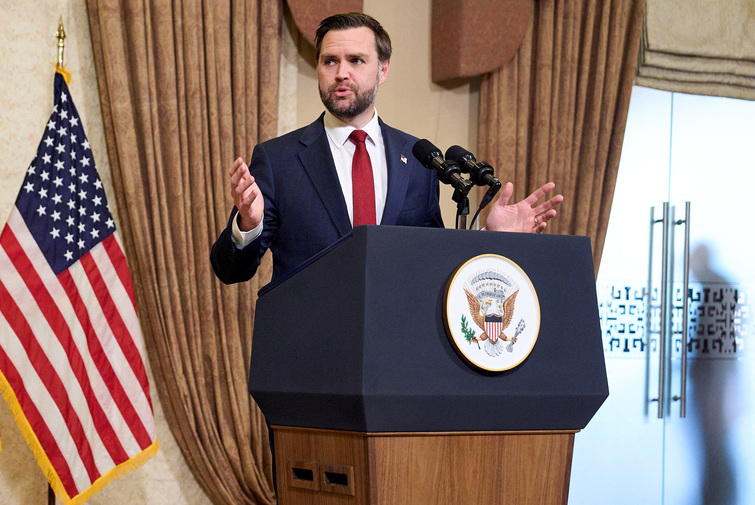
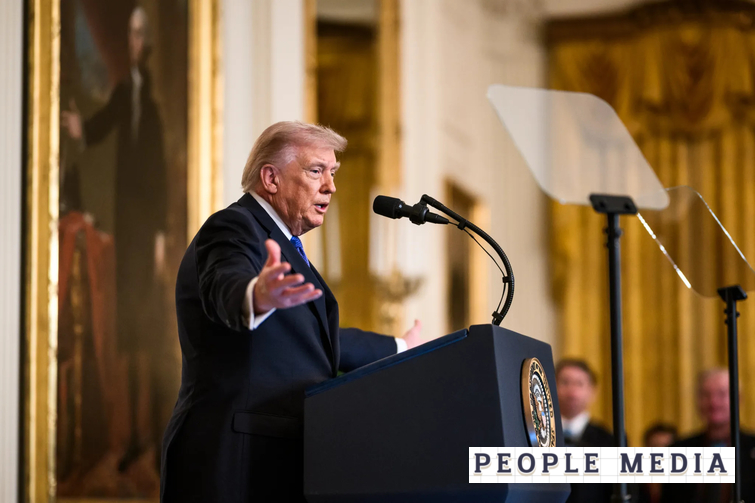
(The Center Square) – The ball is in Iran’s court, and the U.S. holds all the cards, Vice President JD Vance and President Donald Trump argue after exhaustive talks with the Islamic Republic stalled.
Vance, who just returned from a whirlwind trip to Pakistan after participating in talks with Iranian officials for 21 hours, gave his first major interview since the talks, with Fox News’ Bret Baier Monday evening.
“The ball is in the Iranian court,” Vance told Baier. The vice president reiterated that the U.S. has been “accommodating,” while not backing down on the Islamic Republic’s firm commitment to not develop nuclear weapons and ceasing to support terrorist proxies, such as Hezbollah, Hamas and the Houthis.
While the meeting failed to bear fruit, Vance said it allowed the U.S. to gain insight into the inner workings of how the Iranians negotiate.
“What we figured out is that they were unable, I think the team that was there was unable to cut a deal, and they had to go back to Tehran, either from the supreme leader or somebody else, and actually get approval to the terms that we had set,” said Vance.
To be sure, the new Supreme Leader of Iran, Mojtaba Khamenei, was appointed following the death of his father, Ali Khamenei, on the first day of strikes on the Islamic Republic. It has been rumored that the younger Khamenei was severely injured in the same strikes; some, including Trump, have even speculated on whether he is even alive.
The vice president underscored that the U.S. “must have the enriched material” as well as Iran not developing a nuclear weapon.
“And I think that if the Iranians are willing to meet us there, then this can be a very, very good deal for both countries,” Vance said. “If they’re not willing to meet us there, that’s up to them, that’s their decision.”
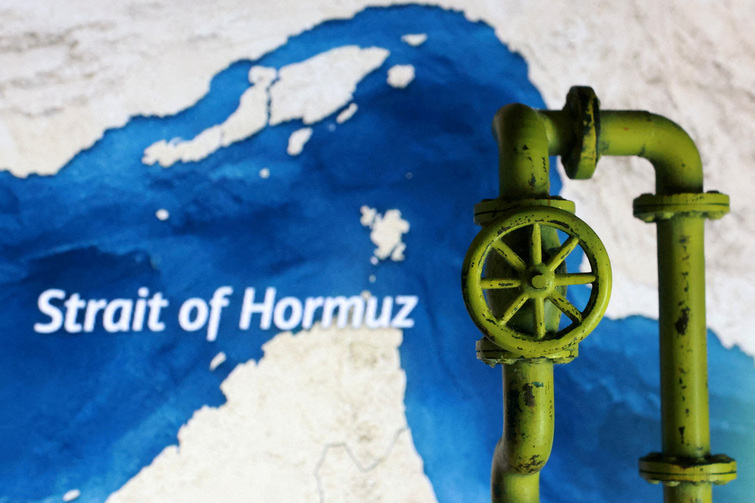
The president and vice president argue the U.S. has the military advantage, and is now adding economic pressure on the Islamic Republic following the blockade of Iranian ports that began Monday morning.
“We have the military advantage. We now have additional economic pressure that we’re applying on them through the blockade,” the vice president added.
Monday afternoon, the president told reporters that if a deal isn’t reached with Iran by the end of the ceasefire, which is set to expire April 21, “it won’t be pleasant for them.” Despite the warning, Trump added that the “right people” called the White House Monday morning and said, “they would like to work.”





News magazine bootstrap themes!
I like this themes, fast loading and look profesional
Thank you Carlos!
You're welcome!
Please support me with give positive rating!
Yes Sure!